Raghvendra

Product Design · AI Experience · Strategy · Leadership

Designing intelligent products. Building the systems and alignment that make them successful.

I’m a product design leader working across strategy, AI-native experiences and organisational scale. I turn ambiguous opportunities into useful, trustworthy products—and help multidisciplinary teams deliver them.

Selected impact

Evidence a hiring conversation can verify.

20 years in design
20 years in design · 14+ years in digital product and UX. Craft, product, systems, and leadership in one arc—not a sequence of disconnected jobs.
Rapipay / NYE Money
Wallet, UPI, partner banking, and investments unified into one consumer system, adopted across the product organisation and shipped on web, iOS, and Android.
Crowley Maritime
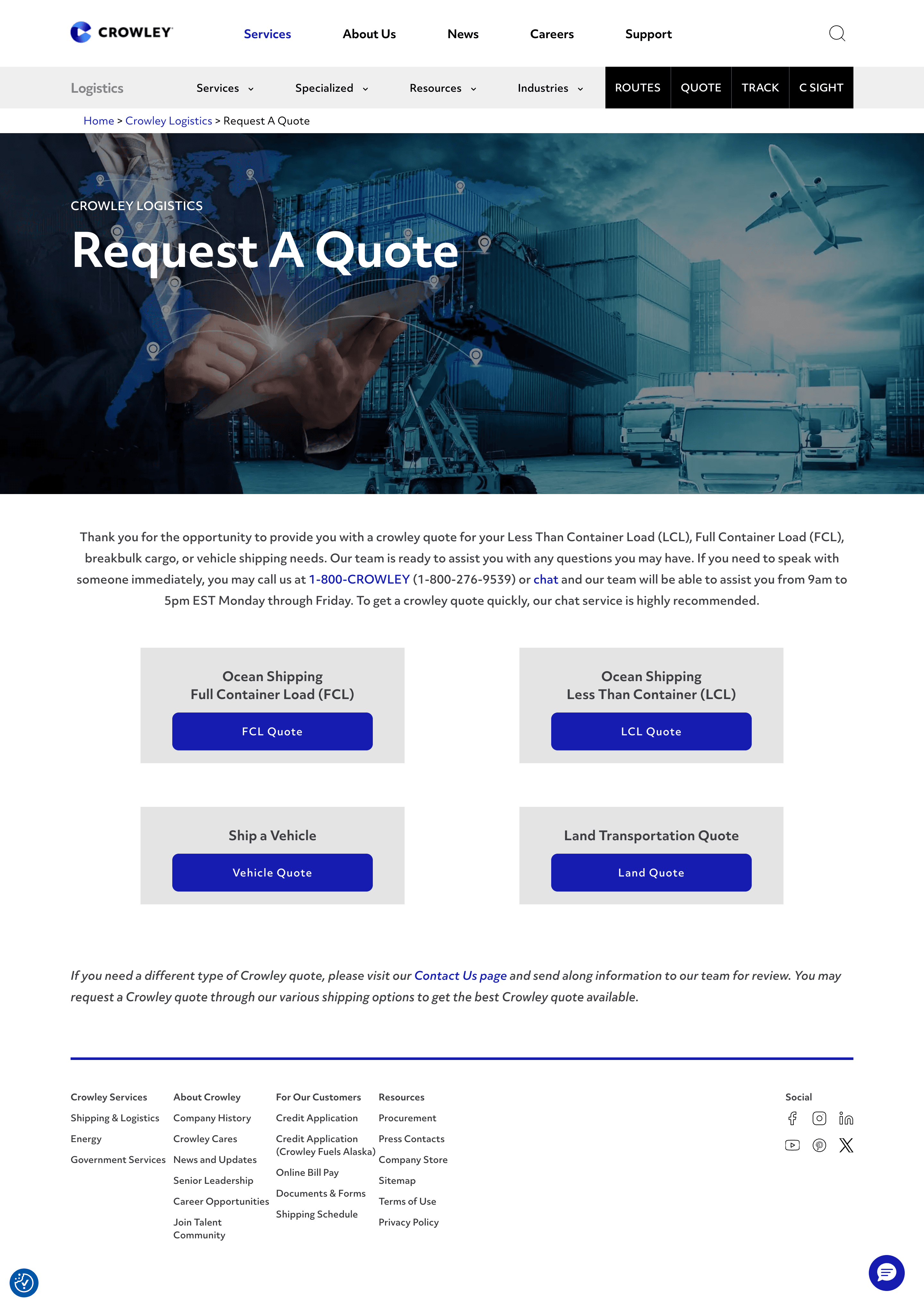
A dense, ~20-field quoting form became a three-step flow. The design system introduced in that engagement is the system the platform still runs on.
500+ designers taught
Classrooms, workshops, and mentoring as a way to build shared language, critique, and capability—not a side identity.

Selected work

Three kinds of impact hiring teams actually need.

Zero-to-one judgement, trust in a complex financial system, and leadership that leaves a system behind. Each project links to the published case study.

View all work
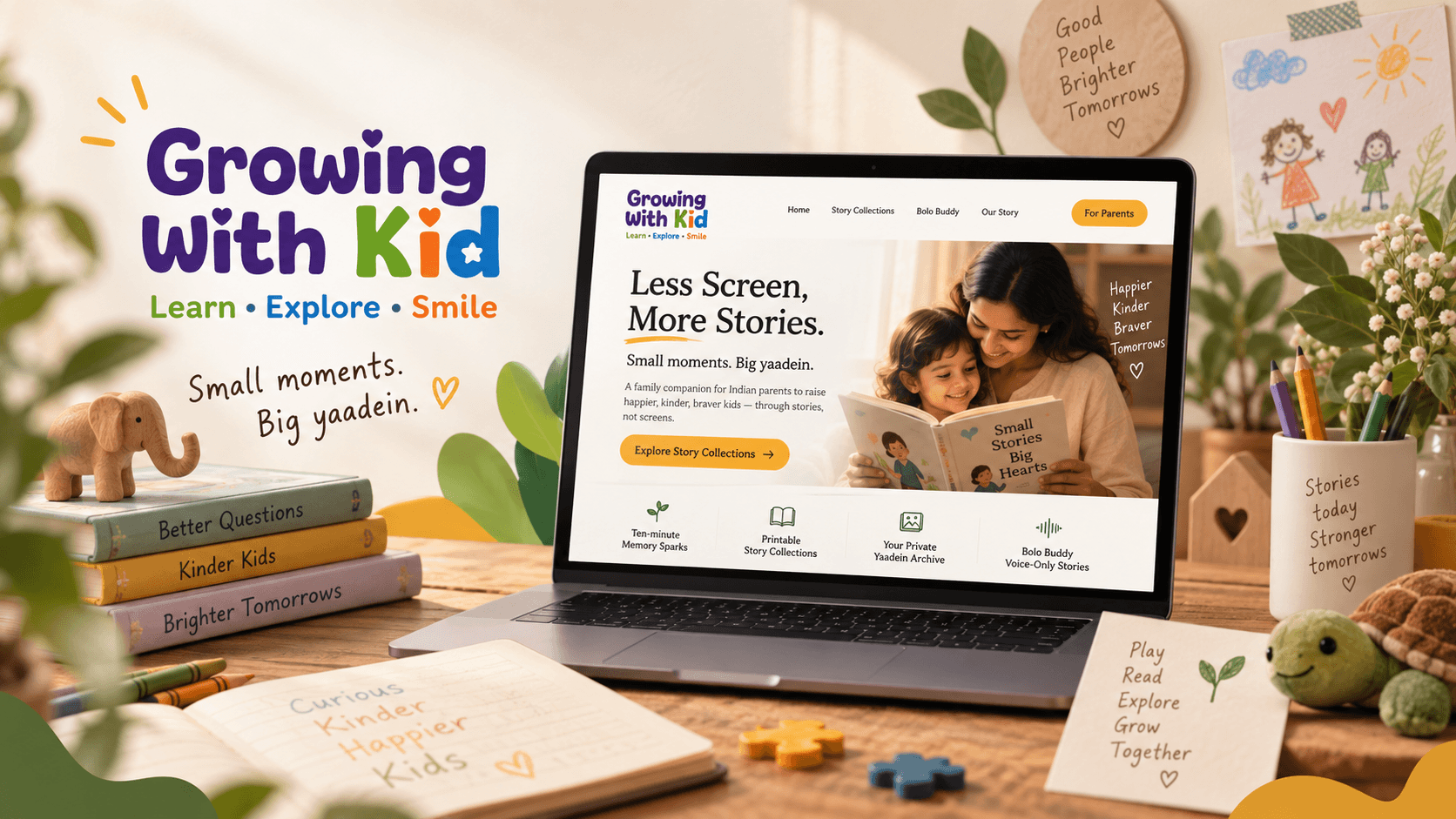
Bolo Buddy — voice-first AI storytelling for children

Zero-to-one

Bolo Buddy — voice-first AI storytelling for children

Role
Cofounder
Scope
Founder venture · 1.5+ years, ongoing

Challenge. Indian parents wanted screen-free, culturally rooted bedtime stories — Hindi, English, Hinglish, and Tamil that reflected Indian values, mythology, and contemporary life. Existing platforms were Western-focused, screen-dependent, or mass-produced without cultural personalization.

Outcome. Bolo Buddy remains operational and building a community of Indian parents seeking culturally rooted, screen-free content.

  • AI experience
  • Product direction
  • Founder execution
Read case study →
Rapipay — financial access designed around trust

Complex system

Rapipay — financial access designed around trust

Role
Senior Manager UX
Scope
UX leadership at organisational scale · 2022

Challenge. At Rapipay, payments, banking, and investments were splitting into disconnected features. NYE Money needed one everyday consumer system — and a shared experience language the product organisation could adopt, not a pile of fintech modules.

Outcome. Led UX for NYE Money at Rapipay, unifying wallet, UPI, partner banking, and investments into one consumer system adopted across the product organisation.

  • UX leadership
  • Fintech
  • Organisational alignment
Read case study →
Crowley Maritime — product quality through system and alignment

Leadership at scale

Crowley Maritime — product quality through system and alignment

Role
Staff Design Consultant
Scope
Advisory · 1 year

Challenge. International shippers faced fragmented communication across trucking companies, ports, and customs brokers, unclear total shipping costs due to hidden fees, and compliance risk from disconnected customs processes — with no unified way to get a clear, upfront freight quote across ocean, rail, and land networks.

Outcome. Replaced a dense legacy freight-quote form with a guided origin-to-cargo-to-contact flow, and introduced the design system this platform still runs on.

  • Enterprise systems
  • Cross-functional alignment
  • Design governance
Read case study →

Approach

Designing for an AI-native world

AI is changing more than the speed of design. It is changing what we design, how products behave, and where design responsibility ends.

  1. 01

    From specialist to orchestrator

    The work is no longer only screens. It is framing the problem, sequencing judgement, and helping product, engineering, and operations act as one system.

  2. 02

    From AI as a tool to AI as a material

    Models change product behaviour: what is offered, what is withheld, how trust is earned, and what happens when the system is wrong. That is design material, not a plugin.

  3. 03

    From deterministic flows to probabilistic experiences

    Intelligent products must be designed for expected, uncertain, and failed states. Recovery, explanation, and human override are part of the product, not afterthoughts.

Principles

Principles for intelligent products

  1. 01

    Design for intent, not only navigation.

  2. 02

    Use AI where it creates meaningful value.

  3. 03

    Design expected, uncertain, and failed states.

  4. 04

    Match system autonomy to consequence.

  5. 05

    Build calibrated trust.

  6. 06

    Evaluate behaviour continuously after launch.

How I lead

An operating model, not a services menu.

My role changes with the organisation’s needs. I can set direction, create alignment, and remain close enough to the work to protect the quality of execution.

  1. 01

    Frame

    Make the problem, constraints, and decision space visible so teams can move through ambiguity without waiting for a brief that never arrives.

  2. 02

    Align

    Bring product, design, engineering, operations, and executives onto one experience language so the interface and the operating reality stay compatible.

  3. 03

    Enable

    Build critique, shared language, and enough structure that quality does not depend on one person reviewing every screen.

  4. 04

    Deliver

    Stay close to execution: protect craft, catch failure modes, and ship. Leadership is responsibility for the conditions in which the work succeeds.

Leadership testimonial

[ADD TESTIMONIAL ABOUT JUDGMENT, INFLUENCE, OR LEADERSHIP]

[ADD NAME · ROLE · ORGANISATION]

A verified quote has not been published yet. This space stays empty of invention.

Raghvendra Singh

About

Twenty years across products, organisations, and classrooms.

I began in design craft, then moved into strategy, systems, leadership, and education—without leaving the work. Founder products keep me close to execution. Teaching more than 500 designers sharpened how I explain decisions and run critique. Today those threads sit in one practice: useful products, aligned teams, and intelligent experiences that can be trusted.

Have a consequential product problem to solve?

I’m interested in senior and leadership opportunities where design can shape product direction, intelligent experiences, and organisational capability.