Product · 8 min
Stop designing screens. Start designing decisions.
Most design problems are not screen problems. They are decision problems wearing a visual disguise.
01
The thing I need you to stop doing
Open any design review and watch what happens. Someone asks whether the button should move. Someone else asks whether the card needs more contrast. Then the room spends twenty minutes discussing spacing while the real product decision remains untouched.
Visual decisions feel safe because they are concrete. The harder questions are not. The user does not arrive to admire an interface. They arrive because they need to decide something, understand something, avoid a mistake, or complete a task.
A polished screen can hide a weak decision. It usually does.
02
A screen is only the surface
Imagine a lending product. The team says users are dropping before accepting an offer. The first instinct is to redesign the offer card. The card may not be the problem. The user may not understand total repayment, trust the fee, or know which tenure is safer.
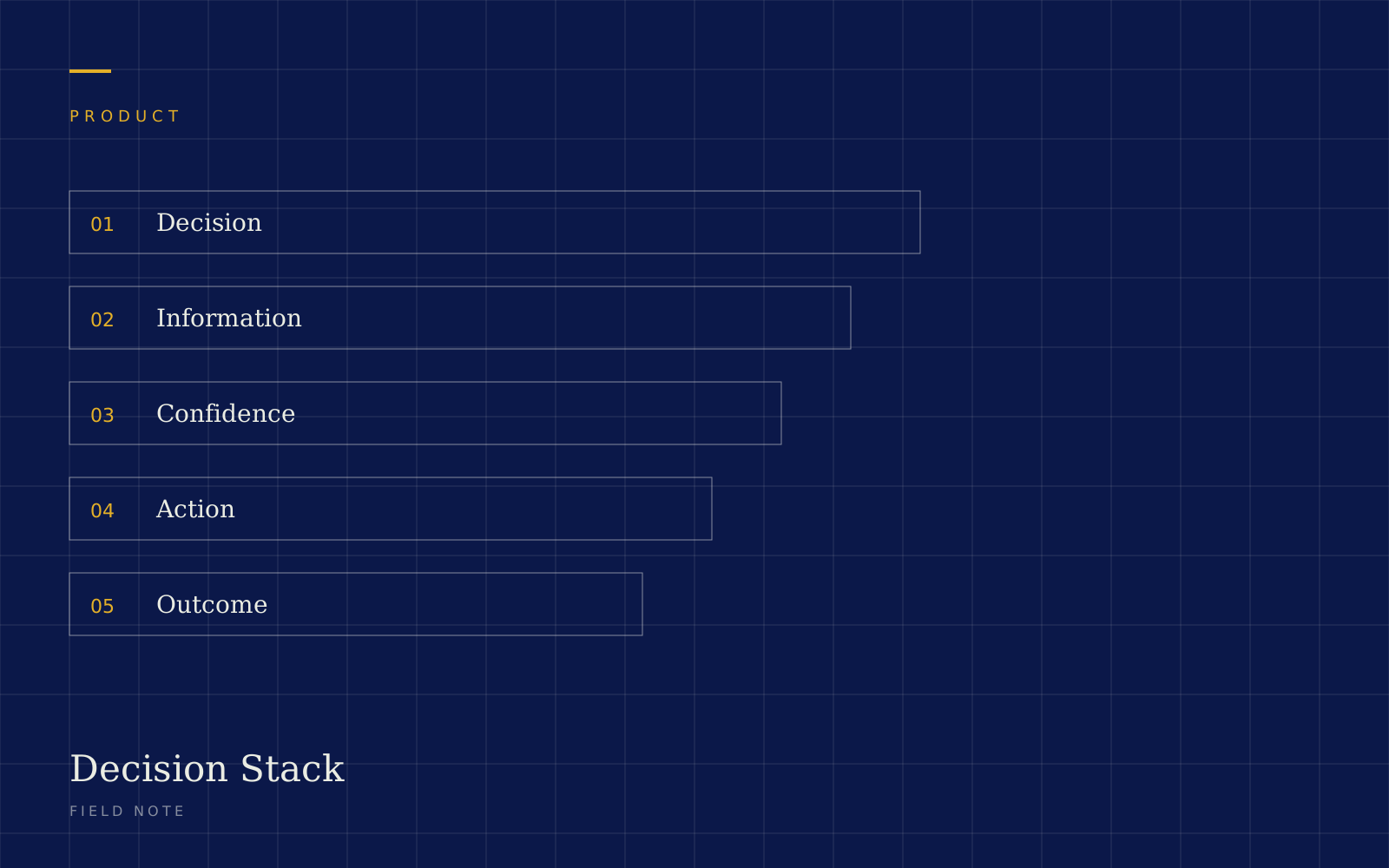
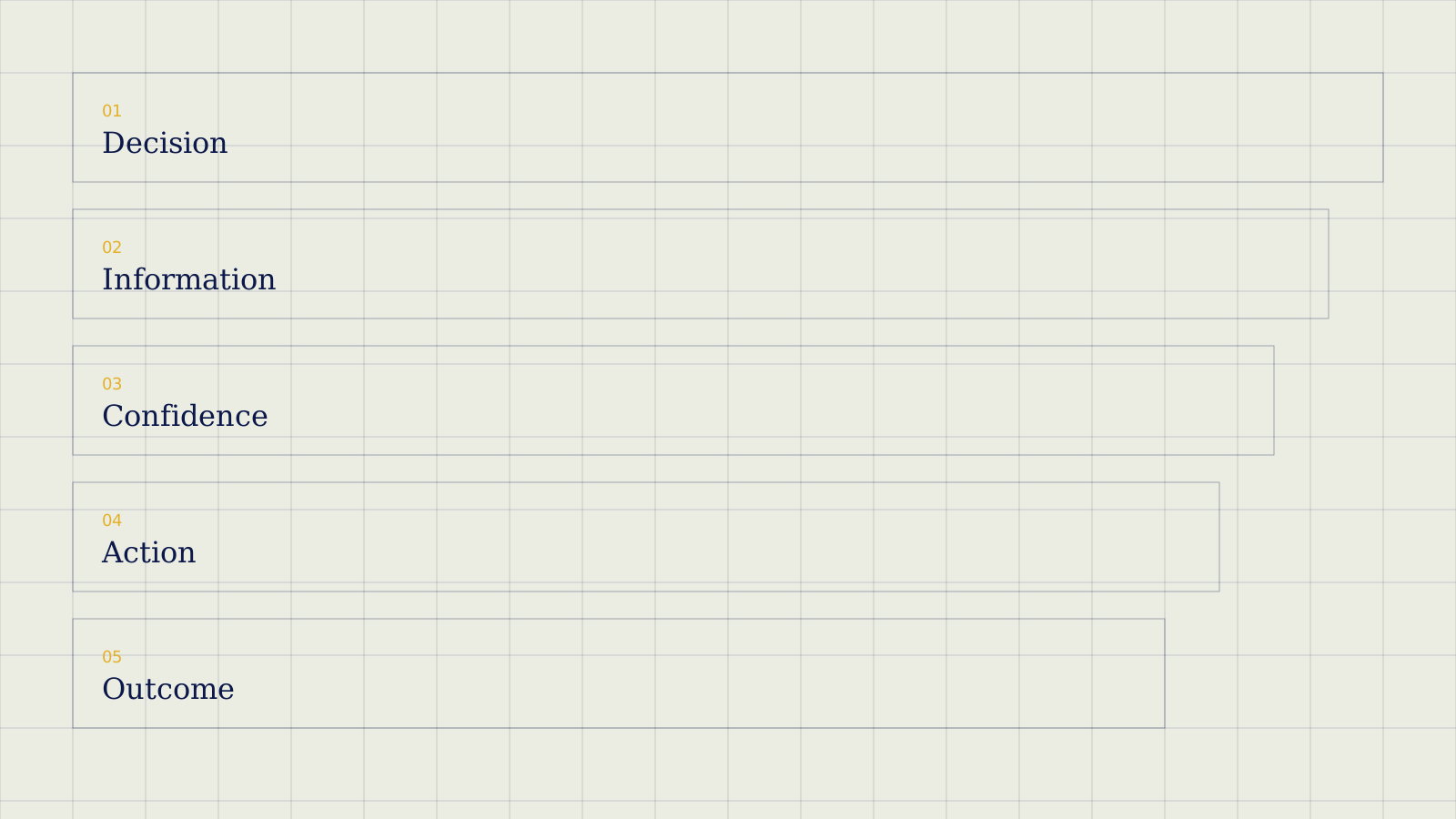
Work the decision stack — decision, information, confidence, action, outcome — and the screen usually becomes simpler. That is not less design. It is finally designing the right thing.
03
The question that changes the review
Replace “Does this screen look right?” with “What decision is the user making here, and what could make that decision fail?”
The room changes immediately. Product starts talking about risk. Engineering exposes missing data. Research brings evidence. Design stops defending pixels and starts shaping the decision.
04
What to do on Monday
Pick one important screen and run it through the decision, not the layout.
- Write the decision the user must make.
- List every doubt that could block it.
- Mark which doubts the interface answers.
- Remove anything that does not help.
Framework
Decision Stack
Work the decision, not the layout. The screen usually becomes simpler.
- 01
Decision
What must the user decide here?
- 02
Information
What do they need to know to decide well?
- 03
Confidence
What doubt could block the call?
- 04
Action
What is the next honest move?
- 05
Outcome
How will they know it worked — or failed?
Takeaway
Pick one important screen. Write the decision. List the doubts. Remove anything that does not help.