Raghvendra
← All selected work

Enterprise Systems

Crowley Maritime

Unifying freight quoting across a fragmented supply chain

Role
Staff Design Consultant
Timeline
Nagarro client engagement
Engagement
Advisory · delivered through Nagarro
Crowley Maritime — Unifying freight quoting across a fragmented supply chain

Situation

A freight buyer trying to price an ocean-to-door move had to reconcile trucking, port, and customs broker inputs before Crowley could return a usable quote. Ops needed one upfront price across ocean, rail, and land. The legacy surface was a dense ~20-field spreadsheet-style form that could not satisfy both speed and compliance.

At a glance

User
International shippers and Crowley quote operators
Problem
A ~20-field spreadsheet-style quote split across trucking, ports, and brokers
My mandate
Experience architecture for the wizard and design-system documentation with product partners (via Nagarro)
Hard decision
Three-step progressive disclosure over a reskin or spreadsheet-adjacent layout
Result
Portfolio documents route → cargo → contact design; longevity and project year unpublished

People affected

Primary users were international shippers and Crowley quote operators. Stakeholders included product managers owning prioritisation, engineering owning the rate engine and APIs, and compliance owning customs and regulatory data requirements.

The apparent problem

The team believed the quote experience was “too complex” and needed a cleaner UI on top of the same field set.

The problem underneath

Quoting was not one form — it was a fragmented operating model. Route, cargo, schedule, and customs data lived in different handoffs. Rate-engine fields and customs requirements could not be dropped; they could only be sequenced so shippers answered the right question at the right moment.

My mandate

I owned
Experience architecture for the quote wizard (route → cargo → contact sequencing), progressive disclosure of cargo and contact steps, and design-system documentation contributed with the Crowley product team during the Nagarro engagement.
Others owned
Product owned prioritisation and release sequencing. Engineering defined rate-engine and API field constraints. Compliance reviewed customs and regulatory data collection. Crowley owned production implementation and what remained after the engagement.
Final decisions
Product made final scope calls; compliance could block a step that omitted required regulatory fields.
Team
Staff design consultant embedded with Crowley product, engineering, and compliance stakeholders — engagement delivered through Nagarro. Advisory, not Crowley headcount ownership.
Authority
Advisory authority over experience architecture and system patterns during the engagement — not ownership of Crowley’s design organisation or ongoing product backlog.
Delivery constraints
Had to design against a live rate engine, existing cargo data structures, and customs rules that could not be redesigned away.

Constraints

  • Rate-engine APIs required specific geographic, dimension, and schedule inputs before a price could return.
  • Customs clearance data had to enter the flow early enough that illegal or incomplete routes failed before sales support.
  • Legacy operators were trained on spreadsheet-dense forms; a complete rewrite risked rejection if it hid required fields.
  • Quote output needed to connect into downstream warehousing, tracking, and delivery — not act as a standalone calculator.

Critical decision

Situation

We had to replace a ~20-field legacy form without losing rate-engine or customs fidelity, while making the quote usable for shippers who were not maritime specialists.

Options considered

  • Reskin the one-page form

    Visual cleanup would not reduce cognitive load or change the order of dependent fields. Rate and customs errors would still surface late.

  • Keep a spreadsheet-adjacent multi-column layout

    Familiar to internal operators, but reinforced the fragmented mental model for external shippers and blocked mobile/use outside ops desks.

  • Three-step progressive disclosure (route → cargo → contact)

Observation

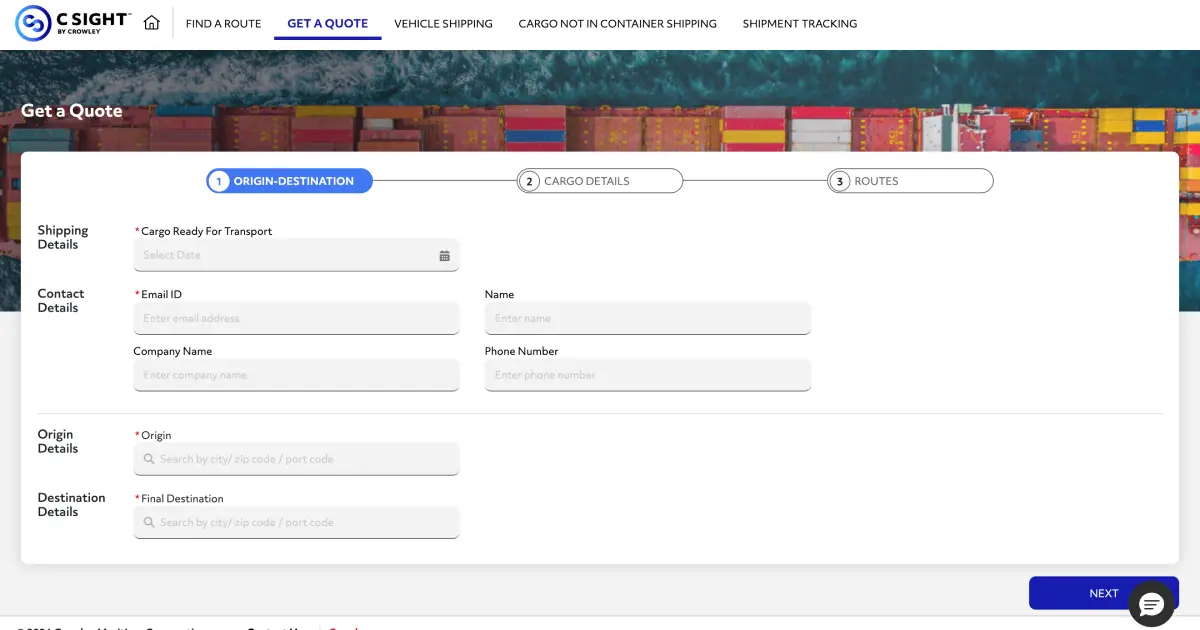
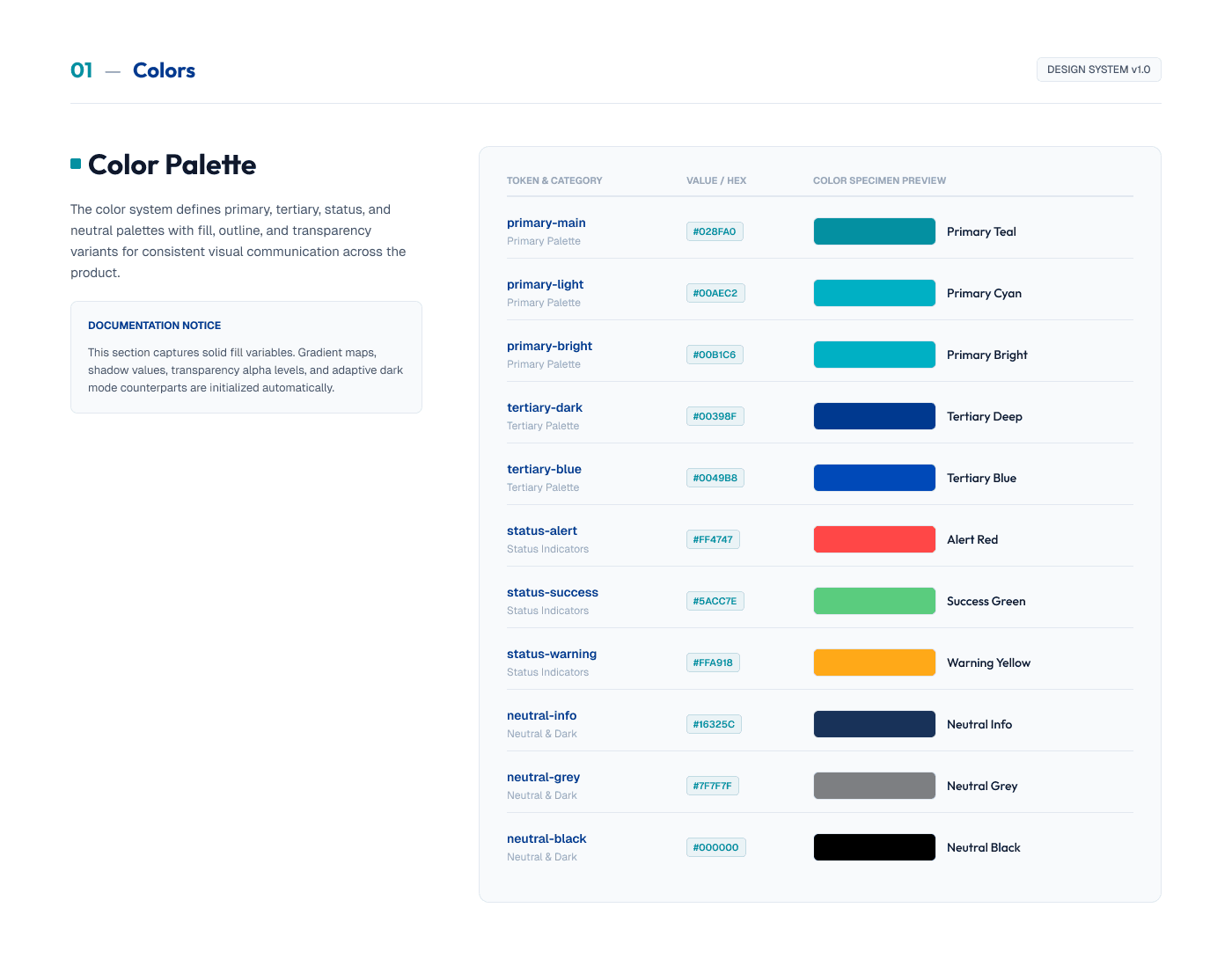
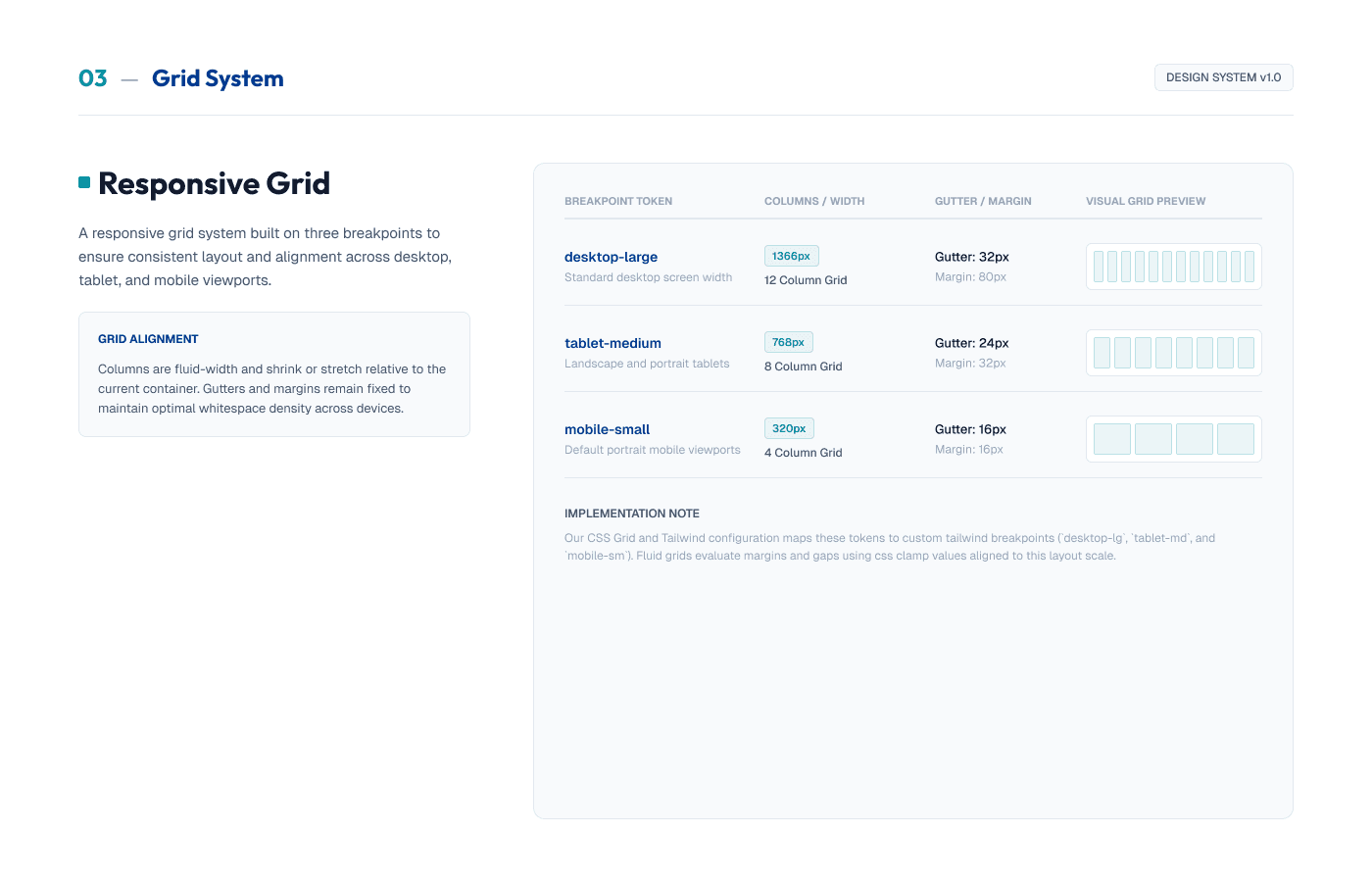
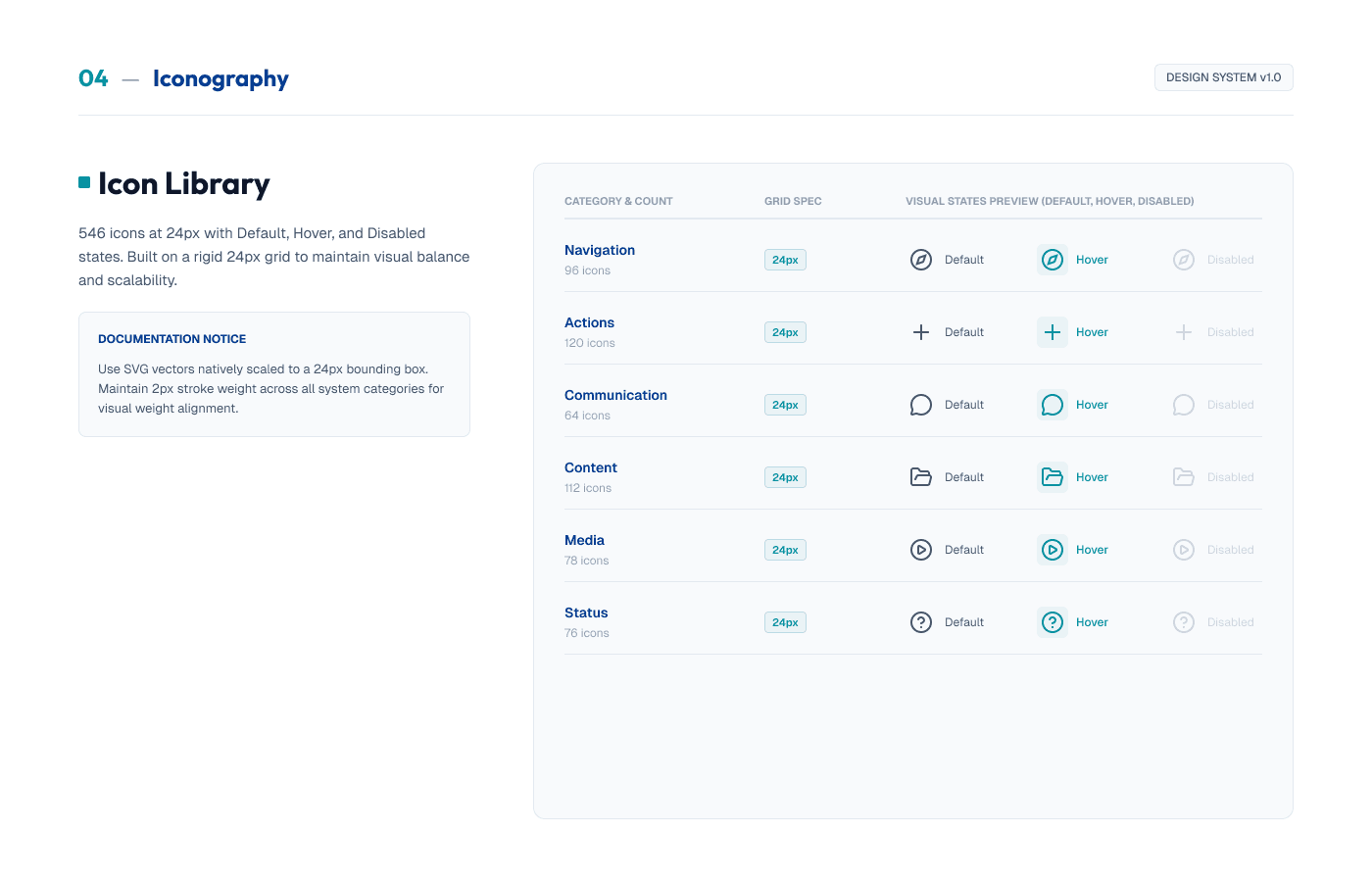
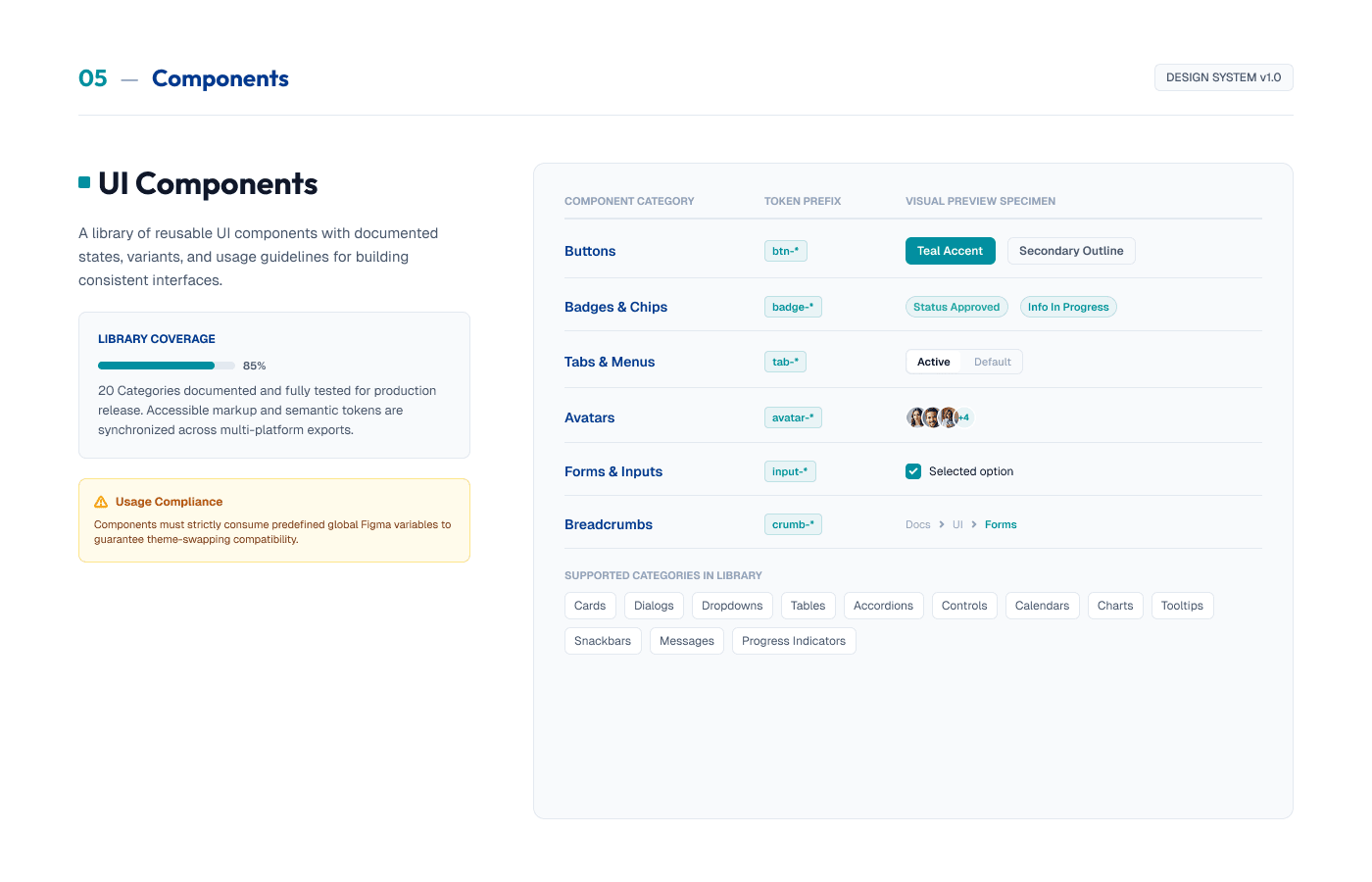
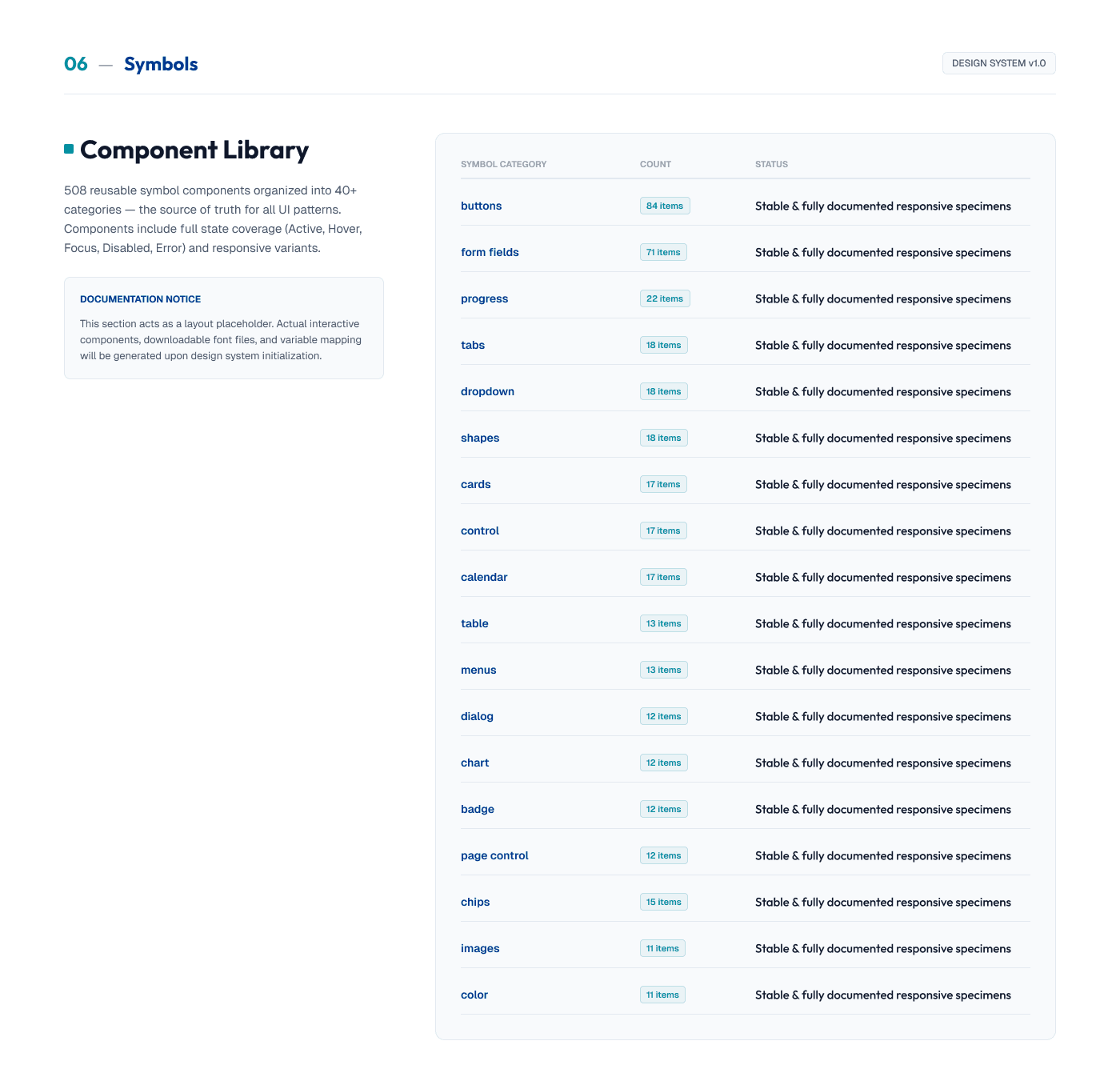
Engineering field-mapping showed many inputs were only valid after route and load type were known — reflected in the portfolio route-first step (gallery) before cargo detail. Compliance required customs constraints with route selection, not as a post-quote legal review — also reflected in the route-step sequencing. Cargo readiness and load type appear on the next portfolio step once geography is set. Design-system documentation artifacts (colour, grid, iconography, components, symbols) record the pattern language contributed with product partners during the engagement.

Insight

Progressive disclosure adds steps and risks abandonment if each step feels empty — but it lets validation and smart defaults run where they belong, and keeps required complexity from appearing all at once.

Response

Design a guided three-step wizard: origin and destination first, then cargo readiness and load type, then contact — with rate generation after the system has enough structured input.

Result

Portfolio artifacts document a roughly 20-field legacy form redesigned into three progressive steps while keeping rate-engine and customs requirements inside the flow. What could not be simplified stayed: maritime weight/dimension semantics and regulatory fields. This documents the engagement design — not an audit of Crowley’s current production surfaces.

Quote sequence

  1. 01

    Crowley Maritime — step 1

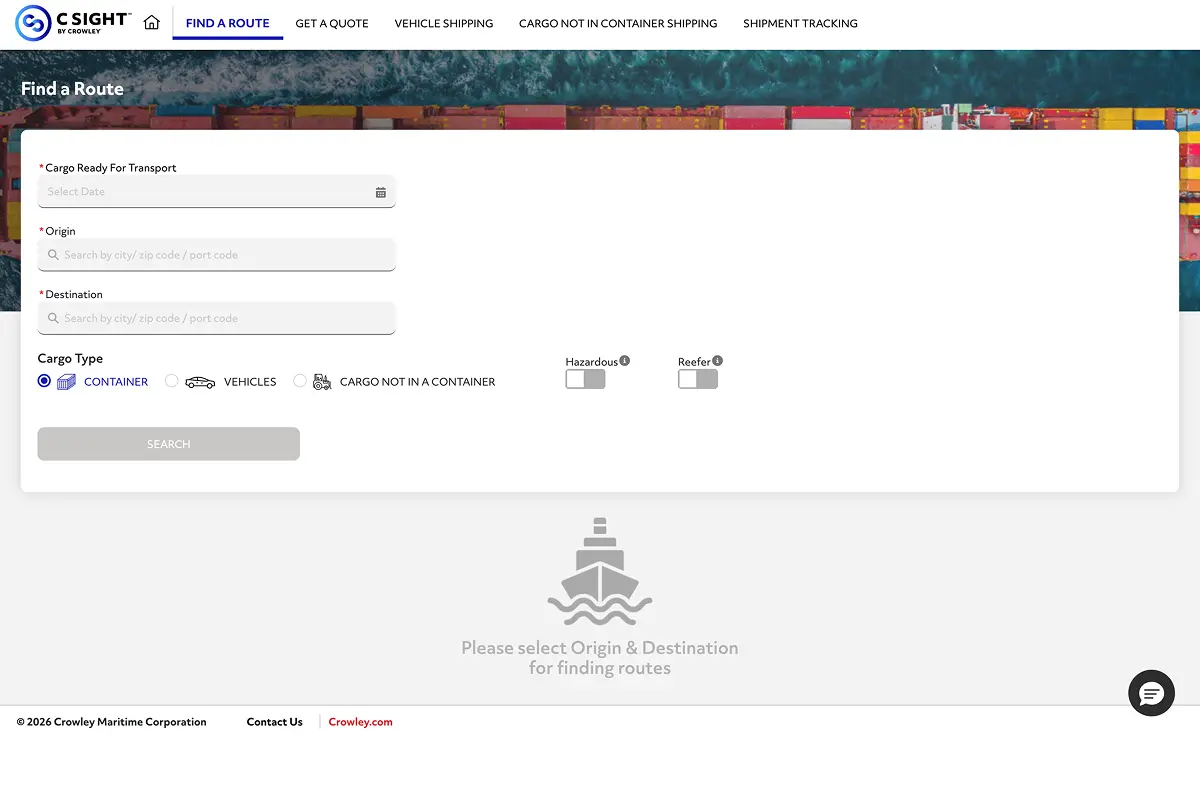
    Portfolio artifact — route-first step: origin and destination enter before cargo detail, matching rate and customs dependency on geography.

  2. 02

    Crowley Maritime — step 2

    Portfolio artifact — cargo step after route is known: readiness date and load type replace asking every maritime metric up front.

  3. 03

    Crowley Maritime — step 3

    Portfolio artifact — contact and rate handoff: structured estimate path instead of reconstructing a spreadsheet mentally.

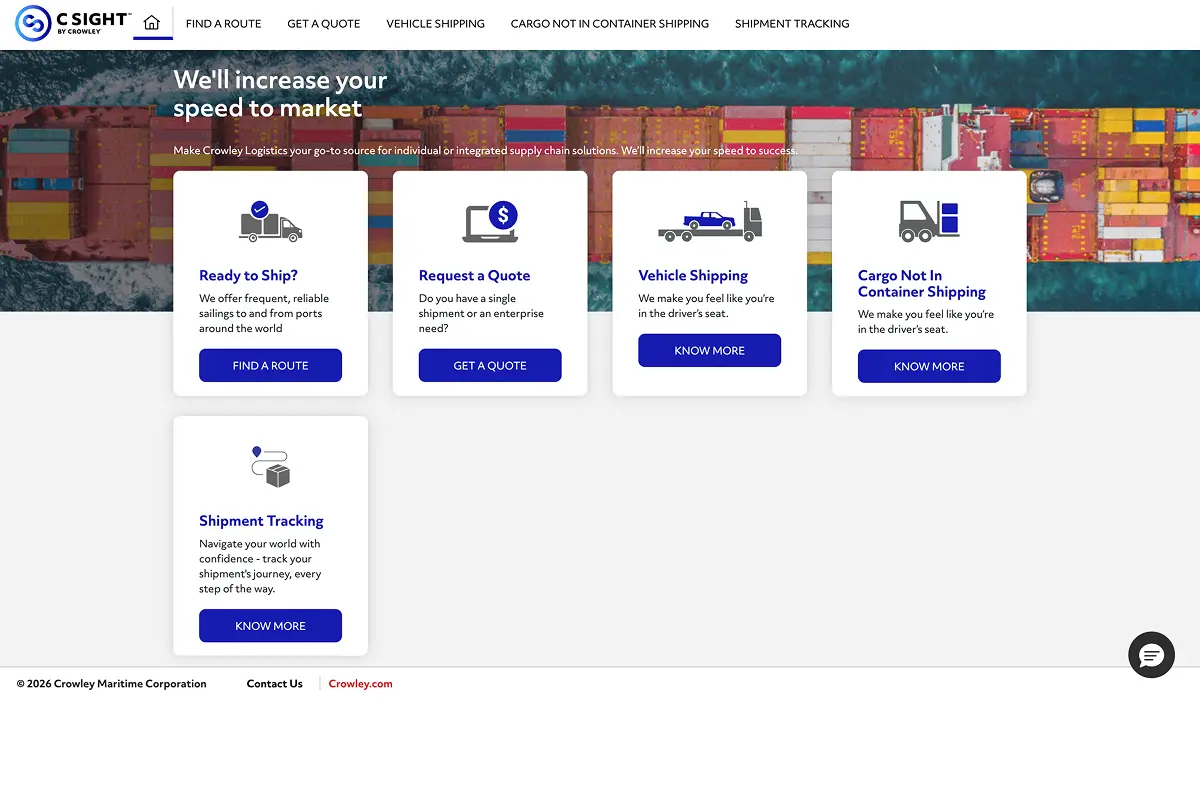
  • Crowley Maritime — after-decision 1
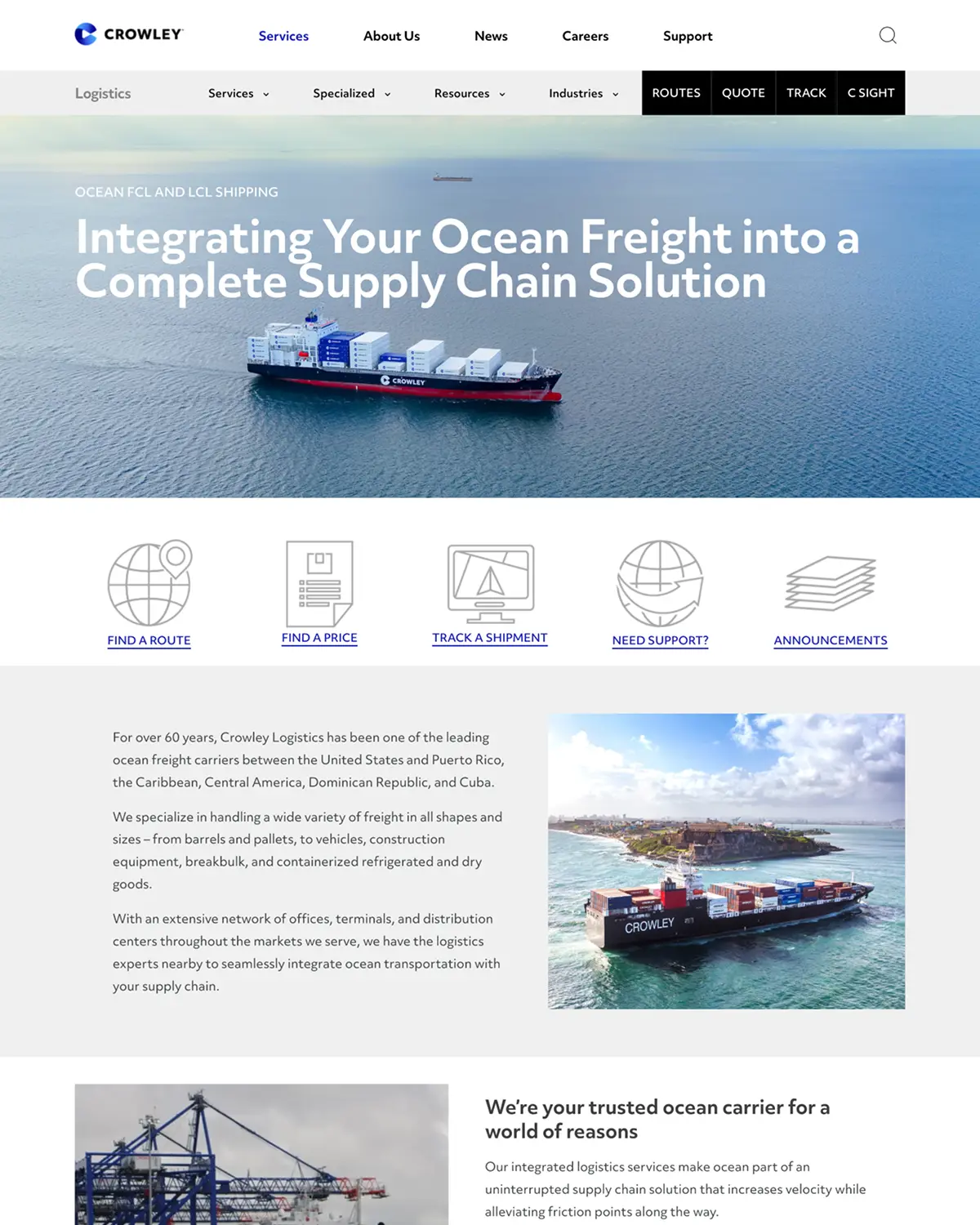
    Marketing landing as commercial entry. Demonstrates Crowley logistics framing — not an attribution of current live marketing to this engagement.
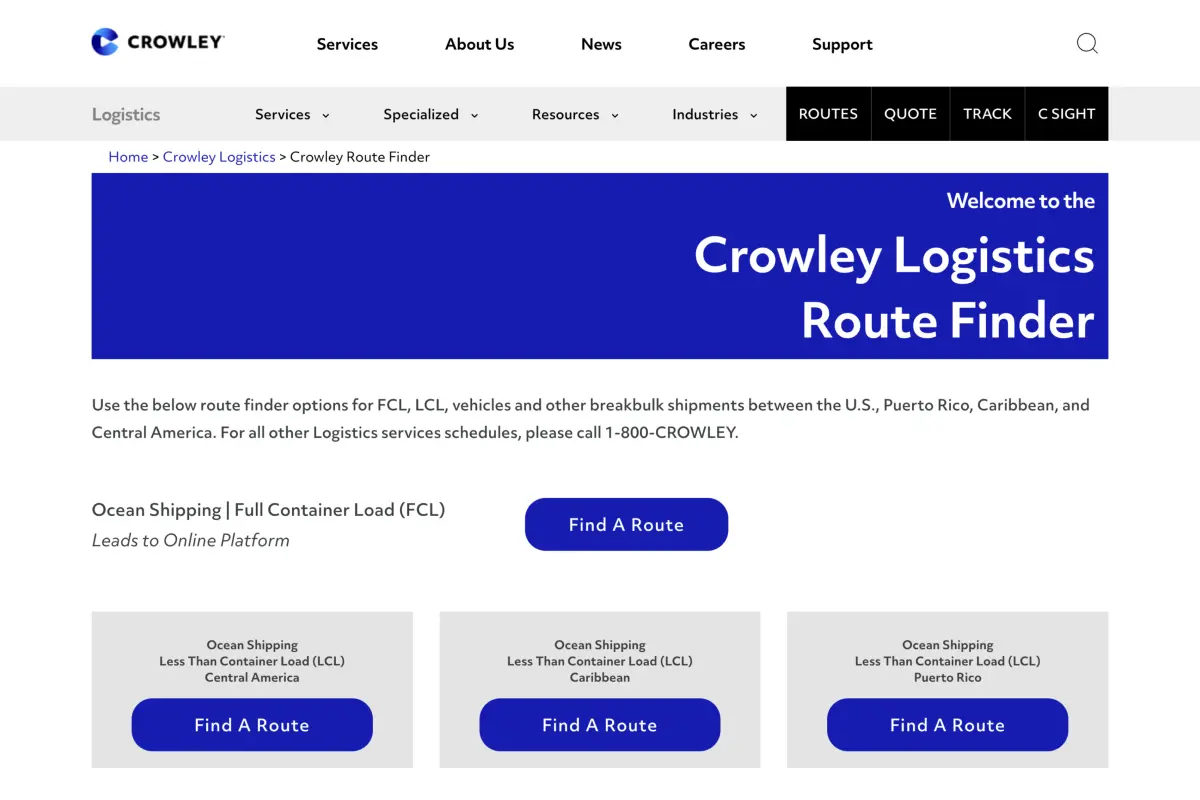
  • Crowley Maritime — after-decision 2
    Portfolio artifact — route-first step: origin and destination enter before cargo detail, matching rate and customs dependency on geography.

How the system changed

  1. 01

    Mapped the fragmented quote path — trucking, port, broker, and Crowley ops inputs — into one route-first sequence instead of a flat field dump.

  2. 02

    Aligned front-end fields with rate-engine constraints so geographic data, cargo dimensions, and schedule only asked for what the API could price.

  3. 03

    Embedded customs and regulatory collection into route selection so compliance failures happened before a misleading quote reached the shipper.

  4. 04

    Structured cargo details around readiness date and load type (FCL, LCL, breakbulk, vehicle) with inline validation and smart defaults.

  5. 05

    Connected quote output toward downstream execution language rather than leaving pricing as a dead-end calculator.

  6. 06

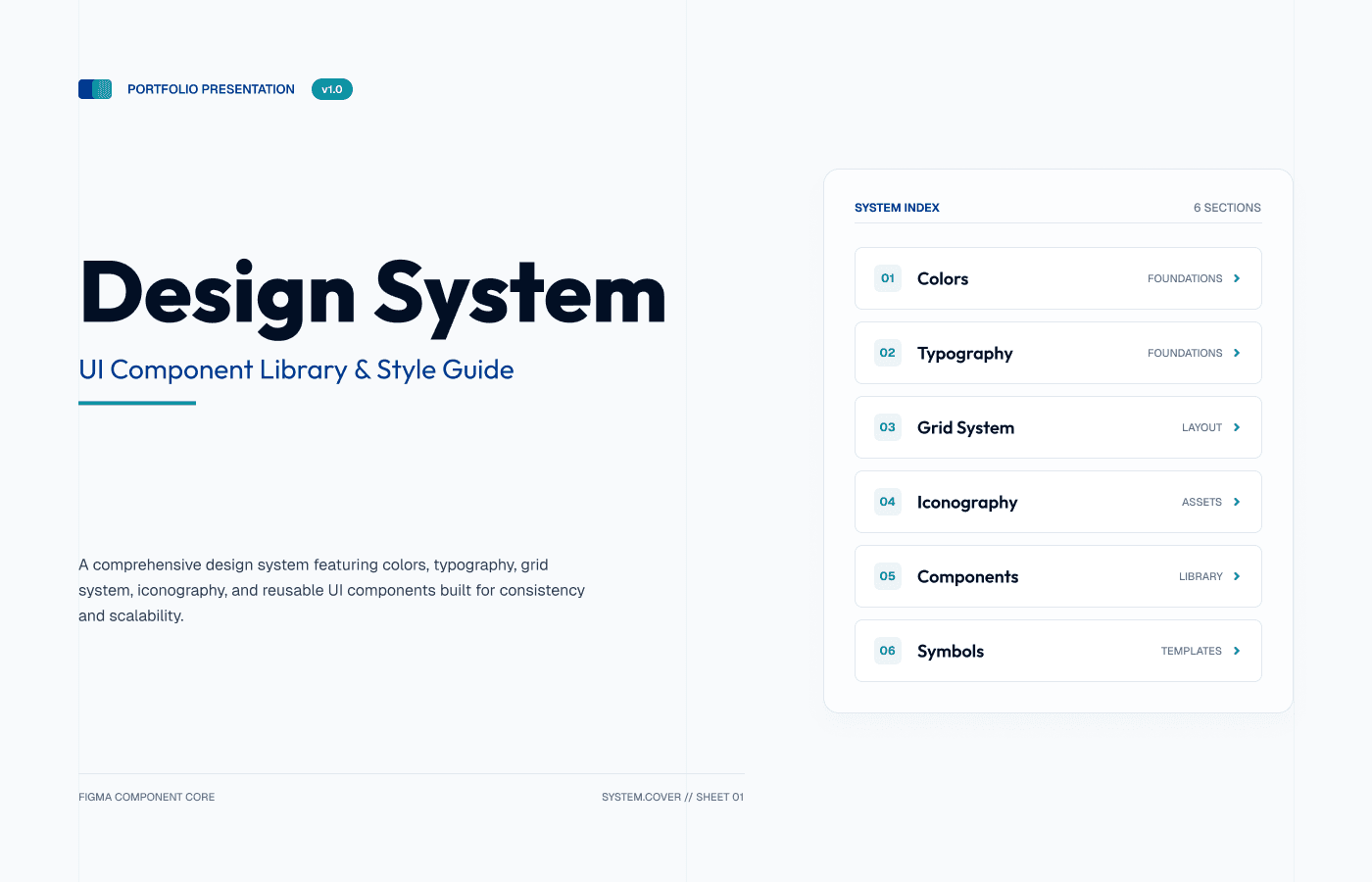
    Contributed design-system documentation (colour, grid, iconography, components, symbols) with Crowley product and engineering during the engagement — not a claim of sole authorship or post-engagement longevity.

  • Crowley Maritime — after-system-change 1
    Portfolio artifact — cargo step after route is known: readiness date and load type replace asking every maritime metric up front.
  • Crowley Maritime — after-system-change 2
    Portfolio artifact — contact and rate handoff: structured estimate path instead of reconstructing a spreadsheet mentally.

Validation and iteration

  • Legacy density vs. progressive steps

    Early drafts still asked for too much on step one. Stakeholder reviews pushed cargo and contact later once it was clear the rate engine could not price without route and load type first.

  • What stayed hard

    Maritime metrics and customs inputs could not become “simple.” The win was sequencing and validation, not pretending freight quoting was a consumer checkout.

  • Design-system partnership

    System documentation was contributed with product partners during the engagement so wizard and related surfaces could share one language. Longevity or continued production use after the engagement is not claimed.

Outcome

operational

Documented: three-step quote design

Portfolio screens show a guided route → cargo → contact flow with per-step structure replacing a dense legacy field list — the engagement design approach.

organisational

Intended: clearer cargo structures

Weight and dimension metrics were meant to read as scannable interface elements with Product, not spreadsheet columns. Not published as a measured organisational outcome.

organisational

Documented: design-system contribution

Design-system documentation artifacts from the engagement record patterns contributed with Crowley product and engineering partners. Post-engagement longevity is unpublished.

Product

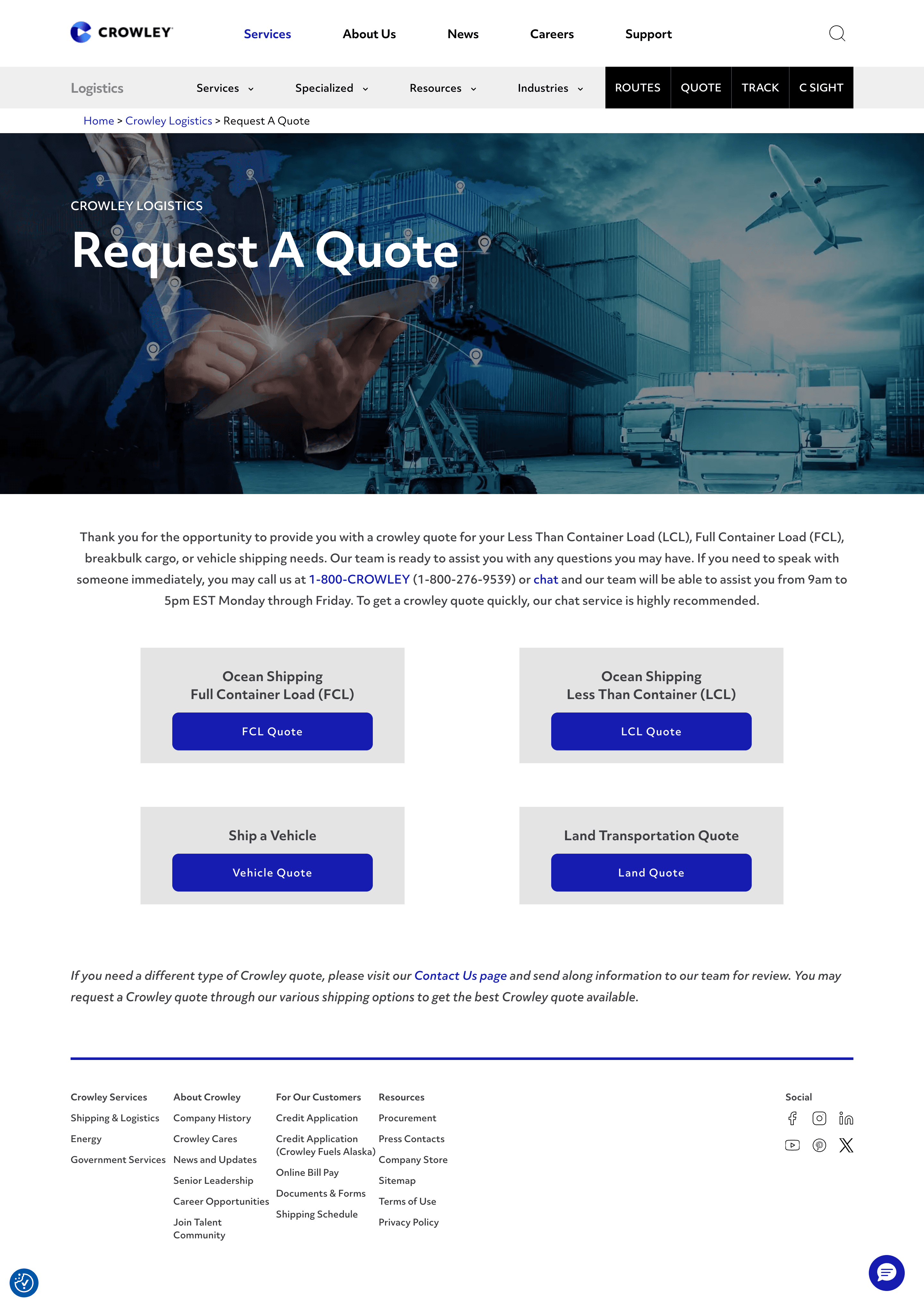
  • Crowley Maritime — Product 1
    Portfolio artifact — quote connected toward execution language rather than ending as a calculator. Not a claim about Crowley’s current production architecture.

What I would change now

I would document the fragmented before-state as an explicit operator journey map earlier in the engagement, and I would instrument step abandonment by field type so product could see which customs or dimension prompts still create friction in production.
Design system

Crowley Maritime design system — Design system
Design system

01 / 06

Have a similar challenge?

Work with me.

Start a conversation