
AI · 10 min
AI products do not earn trust by sounding intelligent.
They earn trust by being useful, understandable, correct enough, and easy to control.
01
Fluency is not competence
A model that speaks well can still be wrong, opaque, or impossible to override. Users forgive a quiet tool. They do not forgive a confident one that cannot be checked.
The question is never “can AI do this?” The question is “which judgment should remain human?”
02
Trust is a product surface
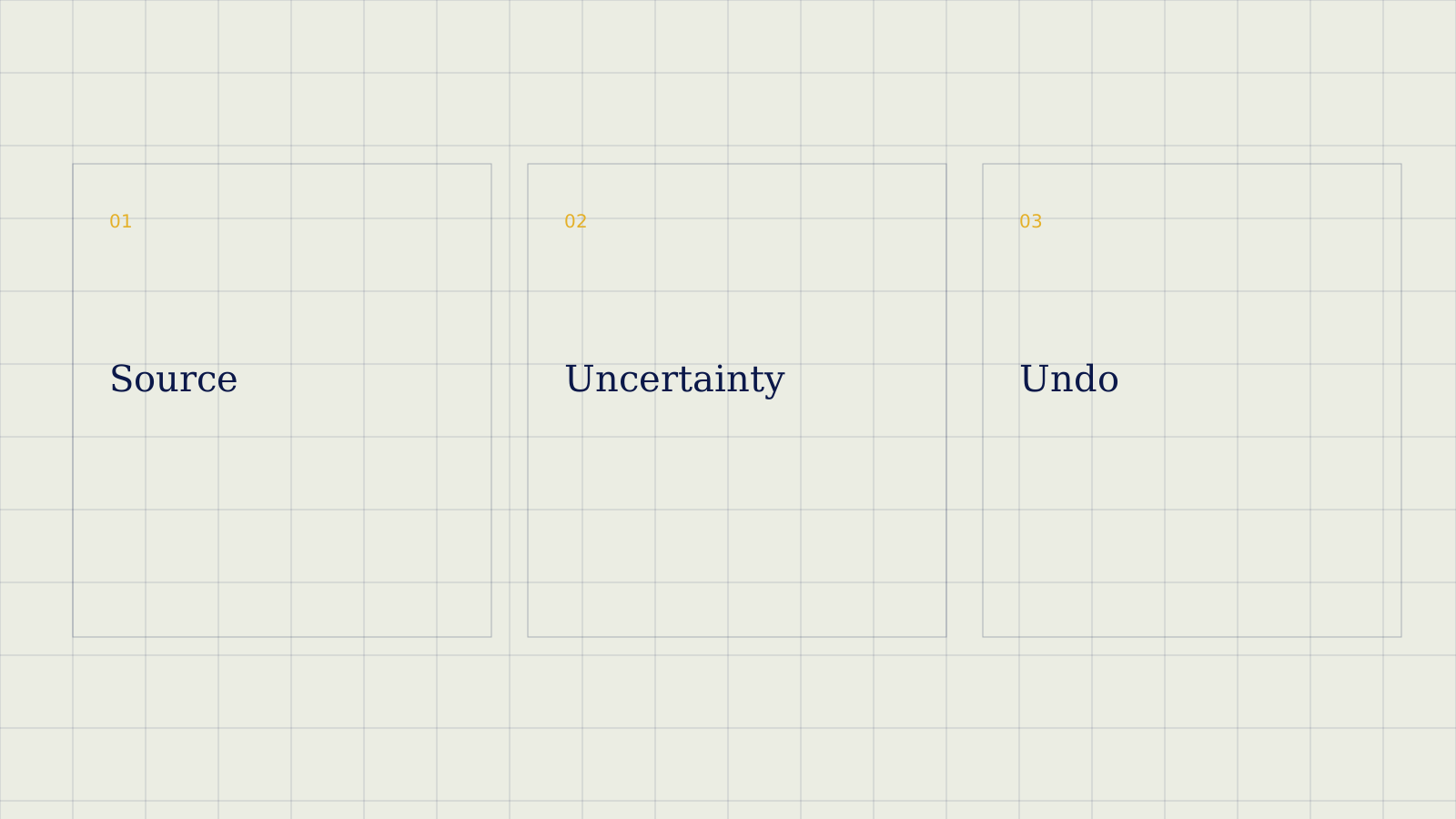
Show the source. Show the uncertainty. Show the undo. If the user cannot tell what the system did, they will stop using it the first time it fails in public.
03
Design the boundary, not the magic
Map where the model may act alone, where it must ask, and where a human signs. That map is the product. The interface is how you make the map legible.
Framework
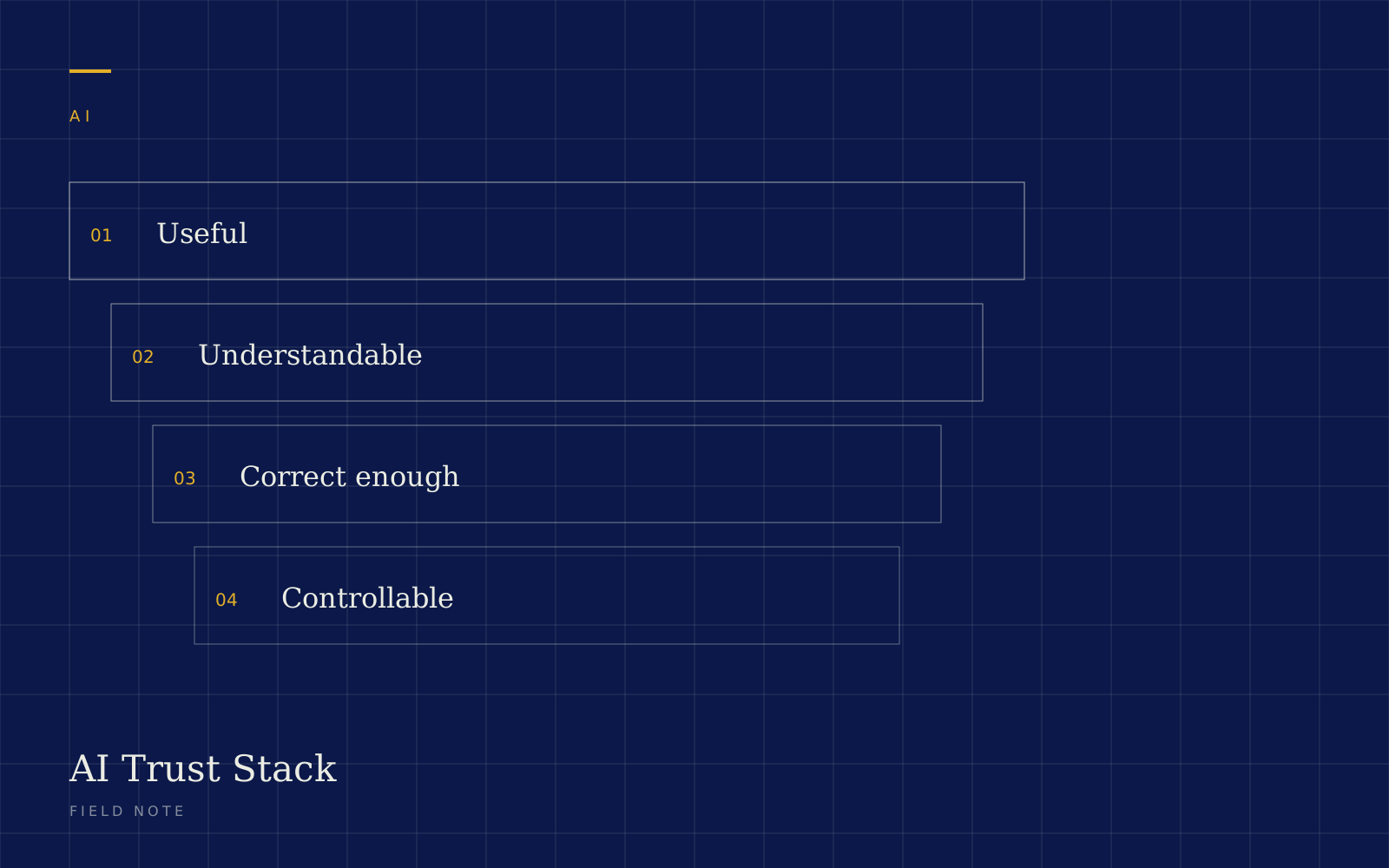
AI Trust Stack
Fluency is not competence. Trust is a product surface.
- 01
Useful
Does the output help the job, or only sound intelligent?
- 02
Understandable
Can the user tell what the system did?
- 03
Correct enough
Show uncertainty. Do not hide the miss.
- 04
Controllable
Source, undo, and a human sign-off where judgment must stay human.
Takeaway
Map where the model may act alone, where it must ask, and where a human signs. That map is the product.